By goodvin | 12 March 2026 | 0 Comments
Slashing Installation Costs: The Efficiency of Air Blown Fiber Optic Cable
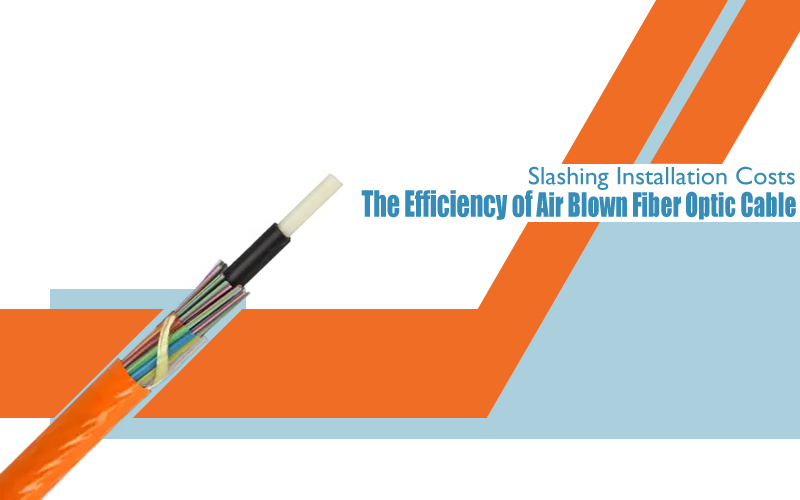
Air Blown Fiber (ABF) Optic Cable is rapidly transforming network infrastructure deployments, offering significant advantages over traditional methods. One of the most compelling benefits is the dramatic reduction in installation costs. But what drives these savings? Let's explore the key factors.
Key Cost-Saving Elements of Air Blown Fiber Optic Cable Installation
1. Accelerated Installation Process: Speed and Efficiency
ABF's innovative use of compressed air to propel fibers into pre-installed microducts significantly accelerates the installation process compared to the laborious pulling techniques used with traditional cables. This speed translates directly into lower labor costs and project timelines.
2. Reduced Labor Requirements: Fewer Hands, Lower Costs
The streamlined Air Blown Fiber optic cable installation process requires fewer technicians, minimizing labor expenses. This efficiency allows for quicker project completion and reduced overall personnel costs.
3. Minimally Invasive Deployment: Less Disruption, Lower Costs
Unlike traditional cable installations that often require extensive excavation and construction, Air Blown Fiber optic cable installations are less disruptive. This minimization of site preparation and restoration work leads to substantial cost savings.
4. Optimized Equipment Needs: Lower Overhead Costs
Air Blown Fiber optic cable installation reduces the need for heavy machinery and specialized tools, thereby lowering equipment rental and operational expenses significantly.
5. Simplified Network Design: Streamlined Planning and Execution
The modular design of Air Blown Fiber optic cable enables straightforward planning and implementation. The reduced complexity and shortened planning phase contribute to faster and more cost-effective installations.
6. Material Efficiency: Minimizing Waste
Air Blown Fiber optic cable allows for the precise installation of only the necessary fibers, eliminating the waste and associated costs of excess cable and connectors inherent in traditional methods.
7. Rapid Upgrades and Modifications: Adaptability and Savings
The ability to quickly add or replace fibers without major disruptions allows for ongoing network modifications without incurring substantial costs. This agility is a key advantage for future-proofing network infrastructure.
8. Simplified Training Requirements: Faster Onboarding and Reduced Training Costs
The relative simplicity of Air Blown Fiber optic cable technology reduces the need for extensive and specialized training for installation teams, making project onboarding quicker and more cost-effective.
Conclusion: A Financially Smart Choice for Network Upgrades
The combined impact of these factors makes Air Blown Fiber Optic Cable a highly cost-effective solution for modern connectivity needs. The reduced installation costs, coupled with long-term savings from reduced maintenance and upgrades, solidify ABF's position as a financially sound investment for organizations seeking to build robust and scalable networks.
Key Cost-Saving Elements of Air Blown Fiber Optic Cable Installation
1. Accelerated Installation Process: Speed and Efficiency
ABF's innovative use of compressed air to propel fibers into pre-installed microducts significantly accelerates the installation process compared to the laborious pulling techniques used with traditional cables. This speed translates directly into lower labor costs and project timelines.
2. Reduced Labor Requirements: Fewer Hands, Lower Costs
The streamlined Air Blown Fiber optic cable installation process requires fewer technicians, minimizing labor expenses. This efficiency allows for quicker project completion and reduced overall personnel costs.
3. Minimally Invasive Deployment: Less Disruption, Lower Costs
Unlike traditional cable installations that often require extensive excavation and construction, Air Blown Fiber optic cable installations are less disruptive. This minimization of site preparation and restoration work leads to substantial cost savings.
4. Optimized Equipment Needs: Lower Overhead Costs
Air Blown Fiber optic cable installation reduces the need for heavy machinery and specialized tools, thereby lowering equipment rental and operational expenses significantly.
5. Simplified Network Design: Streamlined Planning and Execution
The modular design of Air Blown Fiber optic cable enables straightforward planning and implementation. The reduced complexity and shortened planning phase contribute to faster and more cost-effective installations.
6. Material Efficiency: Minimizing Waste
Air Blown Fiber optic cable allows for the precise installation of only the necessary fibers, eliminating the waste and associated costs of excess cable and connectors inherent in traditional methods.
7. Rapid Upgrades and Modifications: Adaptability and Savings
The ability to quickly add or replace fibers without major disruptions allows for ongoing network modifications without incurring substantial costs. This agility is a key advantage for future-proofing network infrastructure.
8. Simplified Training Requirements: Faster Onboarding and Reduced Training Costs
The relative simplicity of Air Blown Fiber optic cable technology reduces the need for extensive and specialized training for installation teams, making project onboarding quicker and more cost-effective.
Conclusion: A Financially Smart Choice for Network Upgrades
The combined impact of these factors makes Air Blown Fiber Optic Cable a highly cost-effective solution for modern connectivity needs. The reduced installation costs, coupled with long-term savings from reduced maintenance and upgrades, solidify ABF's position as a financially sound investment for organizations seeking to build robust and scalable networks.
Leave a Reply
Your email address will not be published.Required fields are marked. *